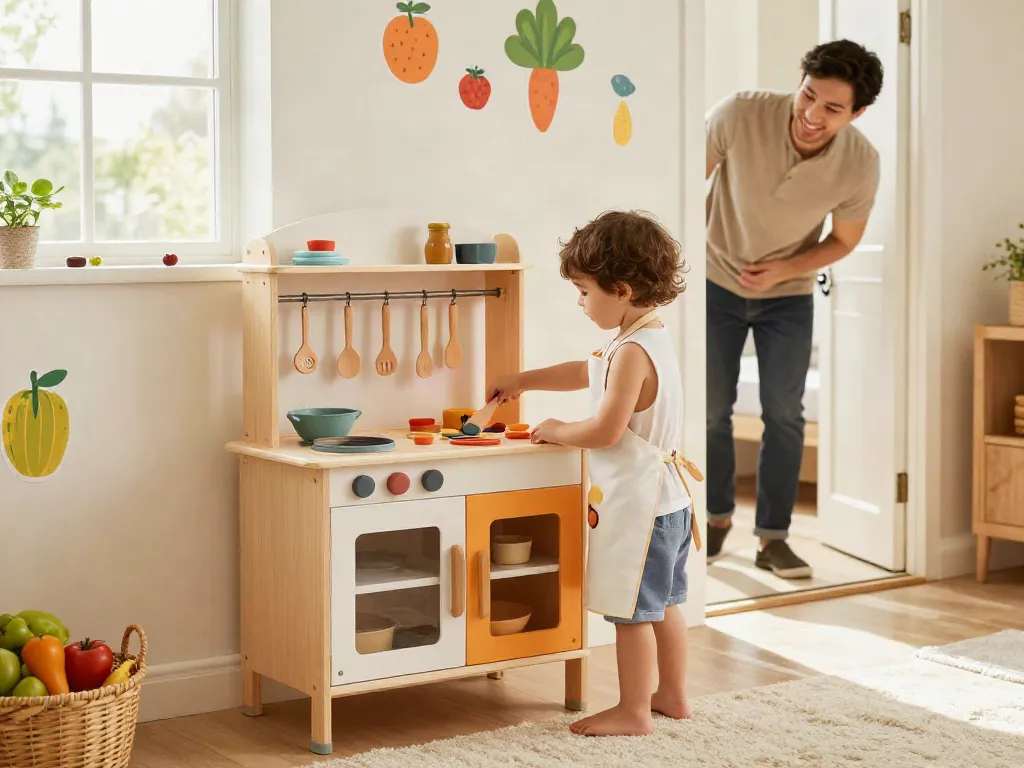
Understanding the Benefits of a Toy Kitchen
A toy kitchen serves as more than just a playtime accessory; it is a multifaceted tool that nurtures creativity and develops essential life skills in children. As kids engage in pretend cooking and role-play, they traverse through a world where their imagination knows no bounds. This exploration is crucial for cognitive and social development, allowing children to experiment with various narratives, build social bonds, and learn about responsibility in a fun, interactive manner.
Why Play Kitchens Enhance Imagination
Playing with a toy kitchen allows children to step into the roles of chefs, waiters, and customers. Through imaginative play, they create their own stories and scenarios, enhancing their creativity. This type of open-ended play is vital for mental growth as it encourages problem-solving and critical thinking.
Developing Social Skills Through Role Play
Toy kitchens provide a perfect platform for collaborative play. When children play together, they learn to share, negotiate, and communicate effectively. These interactions not only enhance their social skills but also foster teamwork and empathy as they take on different roles in their culinary adventures.
Encouraging Creativity and Independence in Children
By engaging with toy kitchens, children can express their creativity freely. They can mix ingredients, invent recipes, and even assign tasks to their imaginary guests. This autonomy nurtures independence, making children more confident in their abilities and decisions.
Choosing the Right Toy Kitchen for Your Child
Selecting the perfect toy kitchen involves understanding your child's preferences and needs. Factors such as age appropriateness, safety features, and available space should guide your decision. Look for options that inspire your child's imagination while also fitting comfortably within your home.
Factors to Consider Before Purchase
- Age Appropriateness: Ensure the kitchen set is suitable for your child's age group to promote safety and enjoyment.
- Size: Consider the space available for the kitchen; compact designs are perfect for smaller areas.
- Theme: Many kitchens come with themes, from classic designs to modern, vibrant colours that can appeal to different interests.
Best Materials for Safety and Durability
When it comes to materials, safety should always be a priority. Wooden play kitchens are generally more durable and environmentally friendly, while plastic options can be lightweight and offer interactive features. Always check for non-toxic finishes and age recommendations when making your choice.
Top Features to Look Out For
Modern toy kitchens are equipped with various features that can enhance the play experience. Look for kitchens with:
- Interactive elements: Such as lights and sounds that mimic real kitchen appliances.
- Storage solutions: Ample storage promotes organization and teaches children to tidy up after play.
- Access to accessories: Sets that include pots, pans, utensils, and play food help create a more immersive experience.
Popular Types of Toy Kitchen Sets in 2026
The evolution of toy kitchens has led to a variety of designs that cater to different preferences and needs. This section explores the most popular types of toy kitchen sets available today.
Wooden Toy Kitchens: A Classic Choice
Wooden toy kitchens remain a timeless choice due to their blend of aesthetics and durability. They often feature meticulous craftsmanship and can withstand years of playful use. Their nostalgic appeal is sure to charm both children and parents alike.
Modern Plastic Designs with Interactive Features
For those seeking more dynamic play options, modern plastic kitchens often come with features like electronic sounds and moving parts. These kitchens can provide a more engaging experience, keeping children entertained for hours.
Compact and Portable Options for Small Spaces
Compact kitchens are designed to fit into smaller spaces without sacrificing playability. These sets can often be easily stored or transported, making them an excellent choice for families with limited room or those who enjoy playdates at different locations.
Creating an Engaging Play Environment
To maximise the benefits of a toy kitchen, it’s essential to create an engaging play environment that promotes imaginative exploration and sustains interest.
Setting Up a Thematic Play Area
By organising a thematic play area around the toy kitchen, you can enhance the overall experience. Incorporating elements like a small dining table, play food, and even themed decorations can transform an ordinary play session into a vibrant culinary adventure.
Incorporating Real Kitchen Elements
Integrating safe, age-appropriate real kitchen items, such as mixing bowls or measuring spoons, can lend authenticity to playtime without compromising safety. This method blends real-world experiences with imaginative play, fostering learning opportunities.
Tips for Maximising Playtime Interest and Engagement
- Rotate toys: Regularly switching out accessories can keep the experience fresh and engaging.
- Invite friends: Encourage group playtime to enhance social interactions and collaborative storytelling.
- Participate in play: Occasionally join in on the fun to guide play and introduce new concepts.
Safety Tips for Using Toy Kitchens
Safety is paramount, especially when children are engaged in active play. The following guidelines can help ensure a safe and enjoyable experience with toy kitchens.
Child-Safe Materials and Product Standards
Always look for kitchens made from child-safe materials that comply with safety standards. Checking for certifications such as EN71 in Europe can assure parents of a product's safety and quality.
Supervision Guidelines During Play
While many toy kitchens are designed for safe use, it's advisable to supervise younger children during play. This supervision can prevent accidents and encourage safe role-playing behaviours.
Common Hazards and How to Avoid Them
- Sharp edges: Ensure no sharp edges are present on the kitchen or accessories.
- Choking hazards: Regularly inspect small items to prevent choking.
- Stability: Ensure the kitchen set is stable and securely assembled to prevent tipping.
FAQs about Toy Kitchens
What are the main benefits of a toy kitchen for children?
Toy kitchens significantly enhance imaginative play, foster social skills through role-playing, and encourage creativity and independence. They provide a safe space for children to explore various scenarios while developing critical life skills.
How can I choose the best toy kitchen for my child?
Consider factors like age appropriateness, material safety, features, and available space. Opt for a kitchen that aligns with your child's interests and your family's lifestyle needs.
What features do modern toy kitchens offer?
Modern toy kitchens may include interactive elements like lights and sounds, storage options, and additional accessories to create an engaging play environment.
How can I create an engaging play area?
Enhance the play area with themed decorations, real kitchen elements, and a variety of accessories. Encourage collaborative play with friends to boost engagement.
What safety precautions should I take with a toy kitchen?
Always check for child-safe materials, supervise younger children during play, and be aware of common hazards such as sharp edges or small detachable pieces. Regular inspections can ensure a safe play environment.